• Driver Profiles
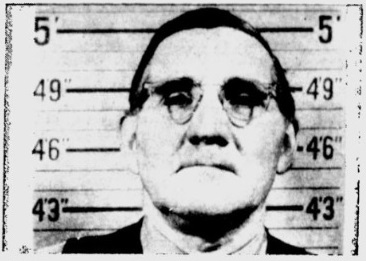
Robert Taylor Montréal, Québec / October 19, 1953 Robert Taylor, 54 years old and the father of ten children, was beaten to death for $2.50.
During the noon hour of Monday, Oct. 19, 1953, a 20-year-old army deserter walked into Montréal's General Machine Works and asked to buy an 18-inch piece of pipe. He said he wanted to use it to keep his dog from wandering.
Shortly before 2 p.m. the deserter and two companions aged 17 and 18 flagged down Mr. Taylor's cab at corner of McGill and St. Catherine and directed him to the corner of Paul Pau and Rousseau in the city's east end, a quiet neighborhood that the trio apparently thought an ideal location for a robbery.
When they reached their destination the men beat him unconscious with the pipe and the breech of an air rifle. Mr. Taylor, who was barely five feet tall, was hit over the head at least eight times and also suffered a broken nose and a broken arm. He died in hospital eight hours later without regaining consciousness.
Unfortunately for the killers the neighbourhood was so quiet that a taxi was an object of interest. A woman witnessed the attack from her bedroom window and immediately ran next door for help. She and another woman watched as the three men went through Mr. Taylor's pockets and searched the trunk of the car.
The trio attempted to steal the taxi but couldn't start it. They next tried pushing it but gave up after about six feet. When they were approached by a man on foot and a boy on a bicycle they decided to flee with the $2.50 they had found on Mr. Taylor.
As they passed the man the 17-year-old asked where the nearest garage was located, thereby ensuring that they would all be remembered. The man directed them to a path through a nearby bush. Immediately after the killers went on their way, the two women led the man to the taxi where the three neighbors tried to revive Mr. Taylor. Another woman ran to phone for the police.
The boy on the bicycle was Royal Brochu, aged 16. His first impulse was to help the men who were evidently having car trouble, but when he saw Mr. Taylor slumped over the steering wheel he decided to follow them. The boy tracked the men through the bush path and along two other streets but when they approached the local police station he pedaled ahead to alert the desk sergeant.
The sergeant had already received two phone calls about the attack and had called the radio division for help. Thanks to Royal Brochu's information the sergeant and a motorcycle officer were able to arrest the killers within 100 feet of the police station.
The 20-year-old and the 18-year-old were charged with murder. The 17-year-old was referred to Social Welfare Court.
[Next column] Robert Taylor's identity card, showing his height. (Source: Allo Police, October 25, 1953, p. 1)
Royal Brochu was hailed as a hero. The directors of the Diamond Taxi Company voted him a reward and he became Montréal's first "honorary policeman" under a public relations program launched by the police department only a few days before Mr. Taylor's murder.
Chief of Detectives Wilfred Bourdon summed up the general attitude of the time toward taxi driver safety, which tended to blame the victim.
"I can only advise taxi-drivers to use more commonsense to protect themselves," he told a Montréal Gazette reporter. "By this I mean that they should refuse to drive persons who look or act suspiciously," although he admitted that it was "often difficult to differentiate between a thief and a respectable citizen by appearance alone."
After dismissing the idea of allowing taxi drivers to carry guns, he went on to offer some dubious advice. Taxi drivers, he said, should "get a good look at their fares before admitting them into their cabs. If a hoodlum knows that a man can identify him later in a police line-up he might think twice before trying anything."