• Driver Profiles
Jean-Marie Tremblay Montréal, Québec / May 14, 1989 Jean-Marie Tremblay was a part-time driver who rented a cab from LaSalle Taxi. He was 64 years old and looking forward to retiring in four months.
Shortly after midnight on Sunday morning, May 15, 1989, someone stabbed Mr. Tremblay in the abodomen and arms while trying to rob him of about $50. A witness called police to the corner of Beaubien and St. Dominique at 12:11 a.m. Mr. Tremblay was rushed to hospital within minutes of the attack but he was dead on arrival. Police were left with few clues as to the attacker.
Mr. Tremblay had nine adult children. He had been separated from his wife for 24 years and raised the children on his own, working as a stevedore during the week and as a taxi driver on weekends.
Nicknamed "Piton" for his small stature, he was well known in the cab driving community. His son Normand characterised him as a little man with a big heart.
"His greatest pleasure was working so he could buy things for others. He kept nothing for himself, he gave it all away.... He was so generous! If the guys [who attacked him] wanted money, I'm sure he would have given it to them, that's certain!"
During the previous week he had just picked up two men when police stopped his taxi and arrested them. They had committed a robbery just before they flagged him down. After the incident Mr. Tremblay said he feared that 1989 wasn't going to be a good year for him. He frequently talked about his retirement and said it was going to be the best time of his life.
Hundreds of drivers attended Mr. Tremblay's funeral. The funeral cortege that escorted him to a crematorium in Laval contained 500 cars and stretched for nearly ten kilometres. Most of the taxis flew small black flags from their antennas. The police closed eight blocks of Rachel Street between Rue St. Denis and Boulevard St. Laurent for the funeral.
Mr. Tremblay had jokingly predicted that Avenue de Mont-Royal would be closed down when he died. As the procession passed the intersection of Mont-Royal and Rue Papineau, drivers sounded their horns for several seconds as a salute.
Mr. Tremblay's death reopened the debate about installing shields in taxis and reporters collected a variety of opinions from drivers at the funeral.
La Presse ran an article describing several violent attacks that had occurred since the death of Alexandre Drolet in 1986, noting that assaults on drivers on Montréal Island alone had increased from 117 in 1986 to 181 in 1988, an increase of 55 percent.
Meanwhile, two Hull taxi companies had installed shields in all their cabs two years earlier. Since then, assaults on Hull taxi drivers dropped by 90 to 95 percent.
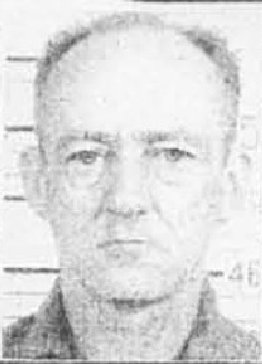
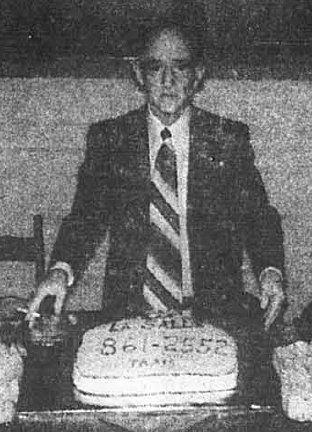
Left: Jean Marie Tremblay. Right: Mr. Tremblay at a party organized by his fellow drivers. (Source: La Presse, May 15, 1989, p. 1, p. 3)
André Boulanger, vice-president of La Ligue de Taxi de Montréal (representing more than half the taxis in Québec) told La Presse that the statistics were no cause for alarm. He said the number of assaults was low considering that there were 4,000 taxis in the city operating seven days a week. He said that taxi driver robberies represented only two percent of all robberies committed in greater Montréal.
Nevertheless, believing that shields would eliminate 80 percent of assaults on drivers, the Ligue was offering to subsidize the cost of installing them. However, few taxi owners were taking advantage of the offer.